The properties of nuclear matter, which are fundamentally linked to the nonperturbative nature of the strong interaction, have been investigated for several decades. However, many ambiguities still persist, and no consensus has yet been reached. Over the past decade, substantial data from terrestrial experiments and astrophysical observations have been accumulated. In the coming decade, more precise measurements are expected, along with the commissioning of new facilities. Consequently, it is expected that breakthroughs in our understanding of nuclear matter may appear in the near future. To advance this field, we are planning to organize an on-site "brainstorming" workshop bringing together a limited number of experts from different subfields to address the key challenges in nuclear matter physics. We hope this activity will shed light on fundamental theoretical physics issues, including equation-of-state models, emergent symmetries, and the mechanisms underlying hadron mass generation.
Topics:
- Constraints on the EoS
- Models of nuclear matter
- Emergent symmetries in nuclear matter
- Origin of hadron mass
- Quark-hadron continuity
Important Dates:
August 24 (Monday/Registration) - August 28 (Friday)
Online Registration Deadline: August 15
Registration Fee:
1500 RMB each for normal registration.
1000 RMB each for students and postdocs.
Venue:
Seminar room 323, Building of Physics College, Sichuan University
Contact person:
Bing-Wei Long <bingwei@scu.edu.cn>(Sichuan Univ./China),Zhiguang Xiao <xiaozg@scu.edu.cn>(Sichuan Univ./China), Yong-Liang Ma <ylma@nju.edu.cn>(Nanjing Univ.) .
Organizers:
|
Masayasu Harada (Nagoya Univ./Japan) Daisuke Jido (Institute of Science Tokyo/Japan) Youngman Kim (IBS/Korea) Toro Kojo (KEK/Japan) Su Houng Lee (Yonsei U./Korea) Bing Wei Long (Sichuan Univ./China) Yong-Liang Ma (Nanjing Univ./China) Qun Wang (USTC/China) Zhiguang Xiao (Sichuan Univ./China) Ren-Xin Xu (Peking Univ./China) Han-Qing Zheng (Sichuan Univ./China) |
Organized By:
Nanjing University
Sichuan University
Accomodation:
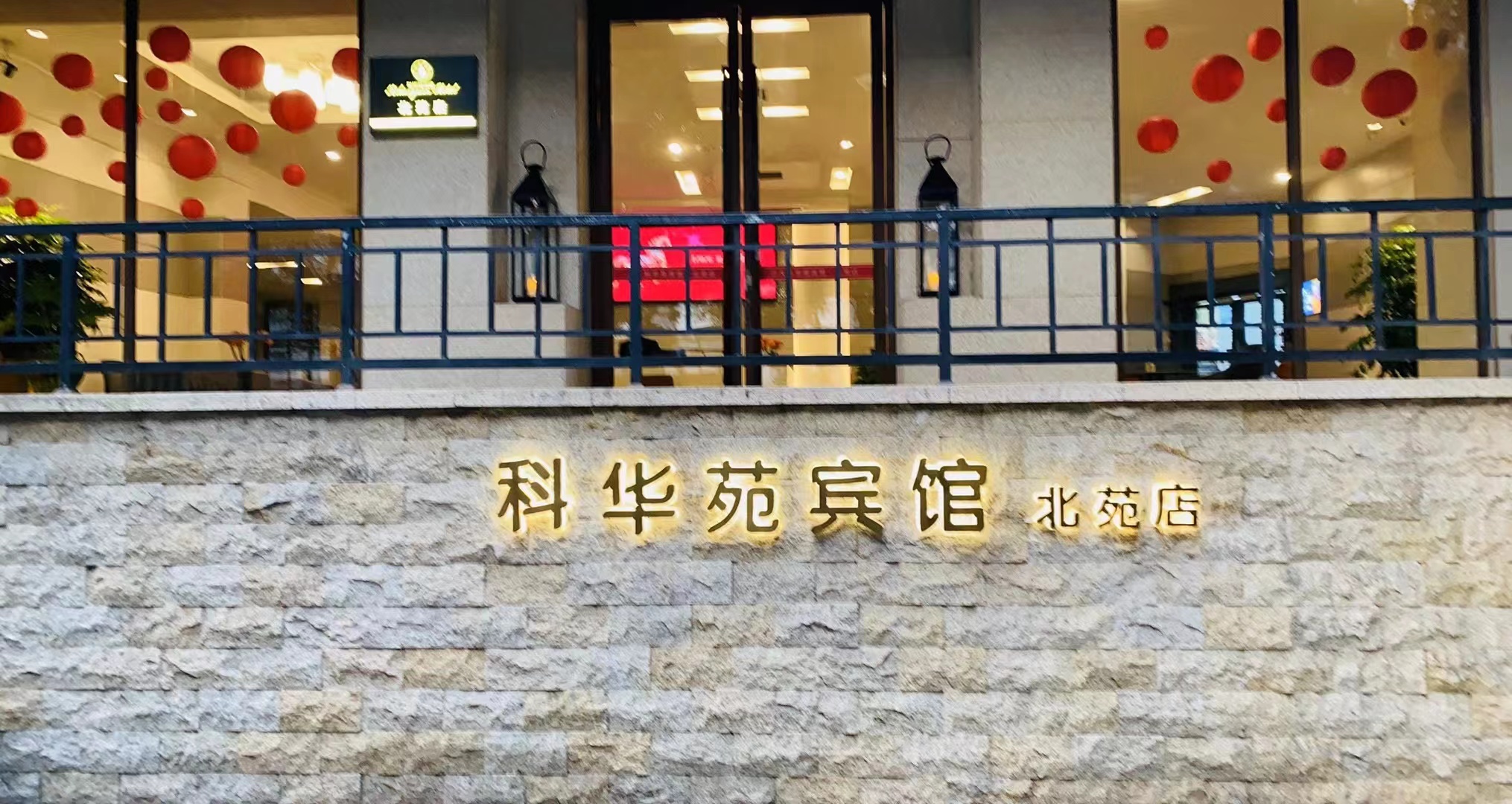
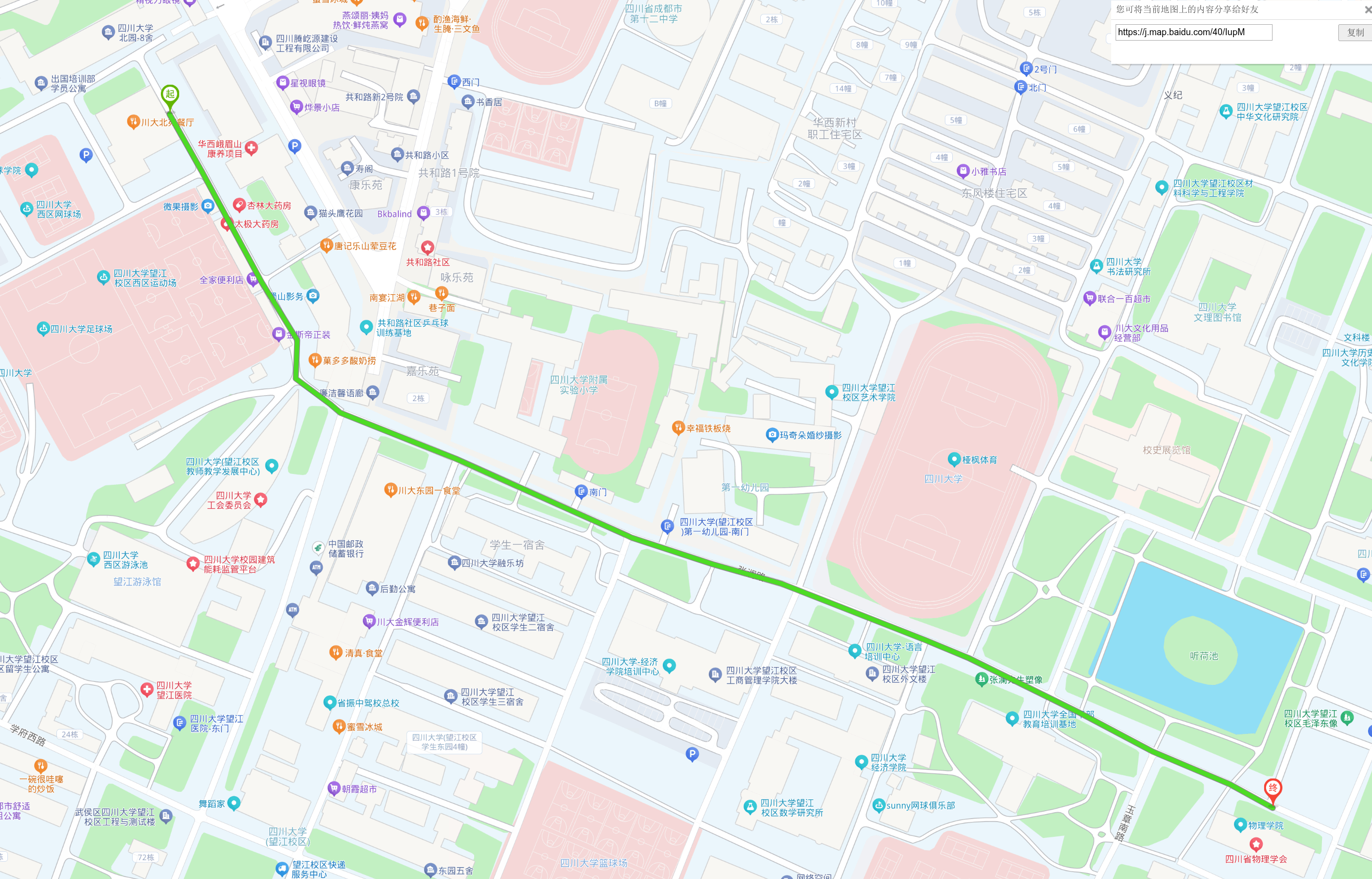
We have reserved some rooms at the on-campus hotel, Beiyuan Hotel of Sichuan University (四川大学北苑宾馆). You can get in the hotel from the outter door of the hotel outside the campus on the Hong Wa Si road(红瓦寺路). After you check in you can get into the campus from the hotel. The distance from the hotel to physics building will be about 800m, about a 12-minute walk.
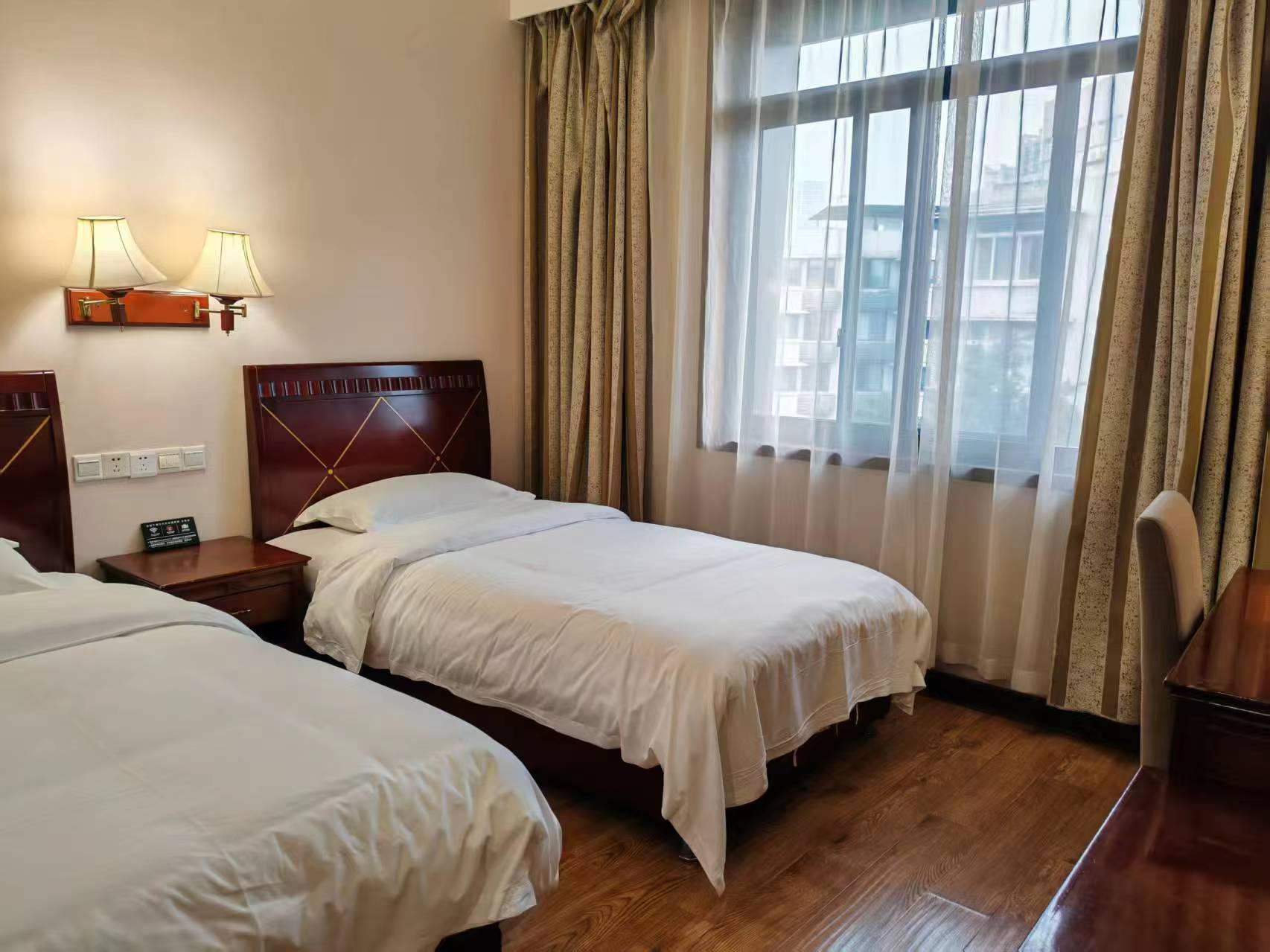
There are two kinds of rooms, type A and type C. The rates are about 380RMB/day and 218RMB/day, respectively.
Type A: Around 23 rooms.

Type C: Around 22 rooms.